


The Basics of Hearing Loss and Prevention. Photo: Deposit Photos
By Katie Marler
You’ve just been to a rock concert. You’ve waved your arms in the air without cares like you were told. You danced kind of on beat, and now you can’t hear very well. What gives?
It’s true, according to the National Institute on Deafness and other Communication Disorders (NIDCD), loud noises can affect or damage your hearing; even things like rock concerts or having your headphones turned up too loud during a workout can cause damage.
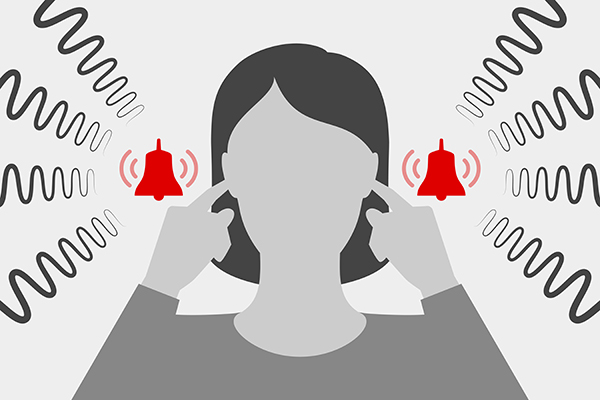
Ringing in the ears, or tinnitus, is common after exposure to loud sounds. Often, it goes away fairly quickly if it’s noise-induced tinnitus; however, many people experience constant tinnitus.
In fact, the American Tinnitus Association reports that over 20 million people experience chronic tinnitus, and 2 million people experience debilitating cases of tinnitus. If you’re experiencing ongoing tinnitus, consult your doctor as it may be a sign of hearing loss.
The World Health Organization (WHO) warns against excessive noise as it may result in hearing loss. In addition to excessive noise, aging, genetic causes, complications at birth, infectious diseases, chronic ear infections, and drug use can all be attributed to hearing loss.
Because 466 million people worldwide experience some degree of disabling hearing loss, it’s important to educate yourself on what causes hearing loss and how to avoid it; after all, 60% of childhood hearing loss is due to preventable causes, according to the WHO.
Let’s Get Physical
Excessive noise is more prevalent today than ever as personal listening devices are in everyone’s pocket—especially during your daily workout. Listening to music while you work out is a common practice.
Music is an essential part of exercise to some people. Upbeat music can take your workout to the next level; it’s no surprise that everyone at the gym is connected to their Bluetooth. Not only are people plugging in headphones at the treadmill, but they are also attending workout classes with booming audio coming from the speakers and the thunderous yell of the microphoned instructor.
The ocean of noise during group exercise can be not only overwhelming but damaging to your hearing. According to the WHO, over one billion people ages 12-35 are at risk of hearing loss due to exposure to loud noise in recreational settings. That’s right—you never knew that group exercise could be bad for your health (ear health, that is).
Some group exercise classes have earplugs available for those taking the classes. Grabbing a pair on your way into your extreme body pump class with an extra peppy instructor might not be a bad idea. You may be saving your ears heartache down the road.
When listening to music on a personal device, remembering the 60/60 rule is beneficial. Listen to your music at no more than 60% volume for no longer than 60 minutes. Abiding by this rule will statistically reduce your chances of hearing loss.
Let’s Get Technical About Hearing Loss
When you listen to music too loudly, damage occurs because there are little hairs in your cochlea (the snail-shaped structure inside your inner ear) that vibrate every time you hear a noise. If the noise is too loud, it can damage those tiny hairs. Unfortunately, these tiny hairs cannot be repaired once they’ve been damaged, so it’s important to protect your hearing.
You may be wondering, how loud does a noise have to be to damage your hearing?
First, let’s define how we measure sound.
There are decibels and hertz. A decibel is a unit of measurement that measures the intensity of a sound.
Hertz measures the frequency of the sound waves. So, if noise is about 55 decibels (the intensity of a normal conversation) it will not affect your hearing. However, if noise is closer to 85 decibels (the sound of a lawnmower) it may cause hearing loss over time.
For reference, a jackhammer can run up to 110 decibels, and a baby crying can reach 80 decibels. Since we aren’t easily able to measure how many decibels our devices are emitting at any given time while we jam out on the elliptical, it’s important to keep the volume at a reasonable level and follow that 60/60 rule.
Let’s Get Real
It can be hard to avoid loud noises, especially if you work in a noisy environment, like musicians or construction workers. If you often find yourself in a noisy environment, keep a pair of earplugs in your purse or pocket. You never know when they might save you from hearing loss in the future.
Additionally, it’s important to note that hearing loss can occur over time and is often preventable. Keeping ear health at the forefront of your mind may save you from purchasing expensive hearing aids that insurance won’t cover.
So, protect those ears by lowering the volume, wearing earplugs, and turning down that bass.